



Raw Feeding for German Shepherds: The Ultimate Guide
Table of Contents
- Is Raw Feeding Good for German Shepherds?
- What Are the Benefits of Raw Feeding for German Shepherds?
- How Much Raw Food Should a German Shepherd Eat?
- Is Raw Dog Food Safe for My German Shepherd?
- What Is the Best Way to Start Raw Feeding?
- Make the Switch to We Feed Raw Today
- Frequently Asked Questions About Raw Feeding for German Shepherds
The best diet for a German Shepherd is a raw, species-appropriate diet that focuses on high-quality animal protein and healthy fats.
While we have a beginner's guide to raw dog food, we wanted to create a separate guide specifically to discuss raw feeding for German Shepherds. This breed has unique nutritional requirements due to its large size, high activity levels, and predisposition to certain health conditions, such as hip dysplasia and sensitive skin.
Is Raw Feeding Good for German Shepherds?
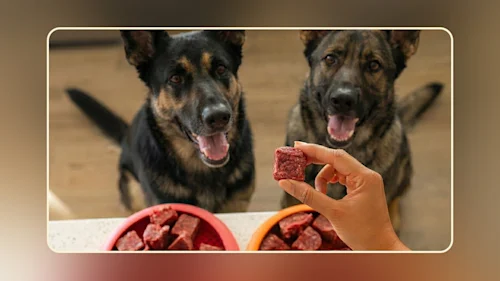
Raw feeding is exceptionally good for German Shepherds because it aligns with their biological heritage as facultative carnivores.
These dogs require nutrient-dense meals that support their lean muscle mass and high energy levels without the inflammatory fillers found in traditional kibble. By feeding a raw diet, you provide the essential amino acids and enzymes that are often lost during the high-heat processing of dry food.
German Shepherds are known for being active and intelligent working dogs. Whether they are participating in dog sports, working as service animals, or acting as loyal family protectors, their bodies demand a diet that facilitates quick recovery and long-term vitality.
A raw diet ensures that every calorie consumed is bioavailable, meaning their bodies can actually use the nutrients rather than processing them as waste.
Does a Raw Diet Support German Shepherd Joint Health?
A raw diet supports German Shepherd joint health by providing natural sources of glucosamine, chondroitin, and omega-3 fatty acids, which help reduce systemic inflammation.
German Shepherds are genetically prone to hip and elbow dysplasia, making joint support a top priority from puppyhood through the senior years. Raw diets that include ground bone and high-quality cartilage provide the building blocks necessary for healthy joint fluid and connective tissues.
Furthermore, weight management is a critical component of joint health. Even a few extra pounds can put significant stress on a German Shepherd's skeletal system. Because raw food is naturally low in carbohydrates and high in protein, it is much easier to keep your dog at an ideal, lean body condition, which is the most effective way to prevent the onset of joint-related pain.
Can Raw Food Help With German Shepherd Skin Allergies?
Raw food can significantly improve German Shepherd skin allergies by eliminating the grains, legumes, and starches that often trigger immune responses and yeast overgrowth.
Many German Shepherds suffer from itchy skin, hot spots, or chronic ear infections. These issues are frequently linked to the high sugar content in kibble, which is created when starches are broken down during digestion.
When you switch to a raw diet, you remove the fuel for yeast and inflammation. Most owners notice a drastic difference in their dog's coat quality within just a few weeks.
The natural oils found in raw animal fats promote a shiny, thick coat and healthy skin, reducing the need for expensive medicated shampoos or veterinary interventions for allergic flare-ups.
In fact, research shows that puppies fed a raw diet are less likely to develop skin allergies as adult dogs.
What Are the Benefits of Raw Feeding for German Shepherds?
The benefits of raw feeding for German Shepherds include improved digestion, smaller stools, better dental health, and sustained energy levels.
Because the raw diet is so closely aligned with what their ancestors evolved to eat, their digestive systems operate with maximum efficiency. This efficiency translates into visible changes in their physical appearance and daily behavior.
Many owners also report that their German Shepherds have fresher breath and cleaner teeth. Traditional dog foods often leave a starchy film on the teeth that contributes to plaque and tartar buildup.
Raw food lacks these sugars, and the natural enzymes in raw meat help to keep the mouth clean, potentially saving you thousands of dollars in professional dental cleanings over the dog's lifetime.
Why Is a High-Protein Diet Essential for Working Breeds?
A high-protein diet is essential for working breeds like the German Shepherd because protein is the fundamental building block for muscle repair.
These dogs are designed for movement and endurance. Without an adequate supply of high-quality animal protein, they may struggle to maintain muscle tone or experience premature fatigue during exercise.
Unlike plant-based proteins, animal proteins provide a complete profile of essential amino acids. We Feed Raw uses USDA-certified meats to ensure that your working dog is getting the best possible fuel.
This focus on protein density allows your German Shepherd to stay strong and athletic, regardless of their age or activity level.
How Does Raw Food Improve Digestion and Stool Quality?
Raw food improves digestion by providing nutrients in their most natural, unprocessed state, leading to what many call the "gold standard" of dog poop.
Because the dog's body can absorb almost everything it consumes, very little waste remains. You will notice that your German Shepherd's stools become significantly smaller, firmer, and much less odorous.
This is a major benefit for owners of large breeds like German Shepherds, as cleaning up after a 75-pound dog can be a significant chore. Improved digestion also means that the dog is less likely to suffer from gas or bloating, which are common issues in deep-chested breeds.
How Much Raw Food Should a German Shepherd Eat?
The amount of raw food a German Shepherd should eat depends on their weight, age, and activity level, but the general rule is to feed between 2% and 3% of their ideal adult body weight daily.
For a 75-pound German Shepherd, this equates to about 1.5 to 2 pounds of food per day. However, it is important to monitor your dog's ribs and waistline to adjust the portions as needed.
What Is the Best Feeding Schedule for a German Shepherd Puppy?
The best feeding schedule for a German Shepherd puppy involves feeding smaller, frequent meals (usually three times a day) to ensure they receive steady energy for growth.
Proper growth pacing is vital for large breeds. If a German Shepherd puppy grows too quickly due to excessive calories or improper calcium-to-phosphorus ratios, they are at a much higher risk of developing orthopedic issues later in life.
Raw feeding provides a controlled way to manage this growth. Our PhD animal nutritionist-formulated recipes are designed to meet the AAFCO standards for growth, including the growth of large-breed dogs.
This ensures your puppy gets the nutrients they need for their brain and muscles without forcing their bones to grow at an unhealthy rate.
Is Raw Dog Food Safe for My German Shepherd?
Raw dog food is safe for German Shepherds when it is sourced and handled correctly using modern safety protocols.
Many people worry about the risk of bacteria, but dogs have highly acidic stomachs and short digestive tracts designed to handle the bacteria naturally found in raw meat. Furthermore, commercial raw food producers like We Feed Raw take extra steps to ensure the food is safe for both the dog and the humans in the household.
The key to safety is choosing a reputable provider that understands the nuances of raw nutrition. By following standard food safety practices, such as washing your hands and cleaning bowls after feeding, you can enjoy the benefits of raw feeding without unnecessary concern.
Does We Feed Raw Use a Kill Step for Safety?
Yes, We Feed Raw uses a cold-pressure pasteurization process known as high-pressure processing (HPP) to neutralize harmful pathogens like Salmonella and E. coli. This process uses intense water pressure rather than heat to eliminate bacteria, so the food remains completely raw and the delicate nutrients stay intact.
This "kill step" is what allows our food to be both safe and nutritionally superior. While some raw diets rely on the dog's natural defenses alone, our use of high-pressure processing provides an extra layer of protection.
This ensures that every patty you serve is free from the risks of things like Salmonella and bird flu while still providing the live enzymes your German Shepherd needs to thrive.
What Is the Best Way to Start Raw Feeding?
The best way to start raw feeding is with a gradual 10-day transition to allow your German Shepherd's digestive system to adjust.
We recommend starting with a single protein source, such as beef or chicken, and slowly increasing the amount of raw food while decreasing the amount of the old food.
During this time, you may notice some changes in your dog's stool as their microbiome shifts. This is normal and usually resolves quickly. Providing plenty of fresh water and keeping a consistent feeding schedule will help make the transition smooth and successful for your dog.
Should You Choose Frozen Patties or Freeze-Dried Recipes?
The choice between frozen patties and freeze-dried recipes depends on your lifestyle and your dog's specific needs.
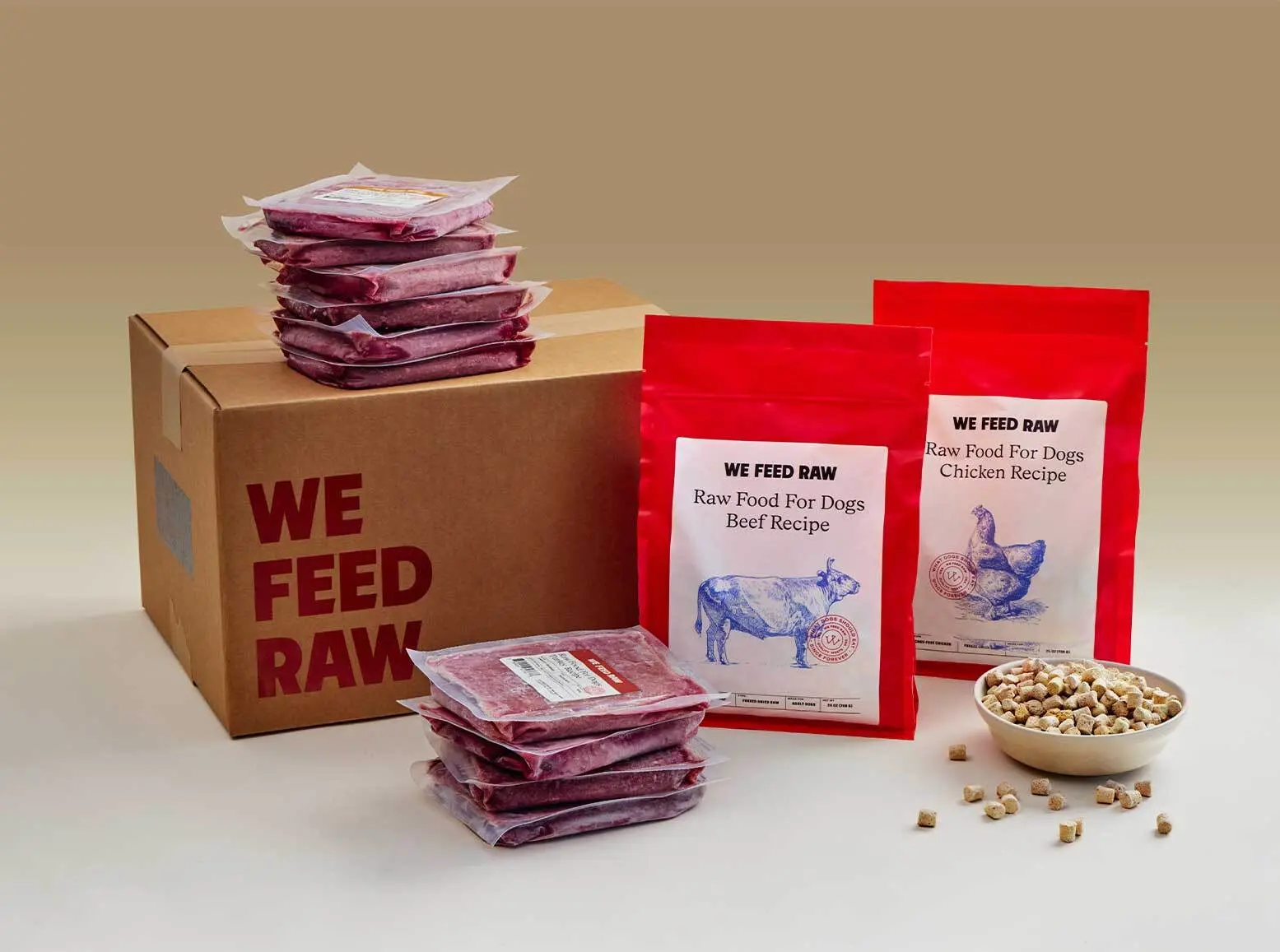
•Our frozen patties are the most traditional form of raw feeding, following an 80/10/10 ratio of muscle meat, organ, and bone. These are ideal for daily feeding, formulated for dogs of all life stages, and provide the maximum level of moisture and fresh nutrients.
•Our freeze-dried recipes (for adult dogs only) contain muscle meat, organ, and non-GMO fruits and vegetables. These are excellent for travel, as they do not require refrigeration, or for owners who prefer to include a small amount of plant-based antioxidants in their dog's diet.
Both options are PhD animal nutritionist-formulated to ensure your German Shepherd receives a complete and balanced meal.
Make the Switch to We Feed Raw Today
If you’re ready to try raw feeding for your German Shepherd, take our quiz now to create your dog’s perfect meal plan. You can also learn more about our story or learn more about raw feeding from our blog.
Frequently Asked Questions About Raw Feeding for German Shepherds
Is raw food safe for German Shepherd puppies?
Yes, raw food is safe and highly beneficial for German Shepherd puppies as long as it is formulated for growth. It provides the controlled nutrition necessary to prevent the rapid growth spurts that lead to joint problems.
How much does it cost to feed a German Shepherd a raw diet?
The cost depends on the dog's weight and activity level, but for a large breed like a German Shepherd, you can expect to spend more than you would on low-quality kibble.
However, many owners find that the reduction in vet bills for allergies and joint issues makes it a cost-effective choice in the long run.
Will raw food make my German Shepherd more aggressive?
No, there is no scientific evidence to suggest that eating raw meat makes dogs aggressive.
In fact, many owners find that their dogs are calmer and more focused because they are no longer experiencing the "sugar highs" and crashes associated with high-carb diets.
Can I mix raw food with my dog's current kibble?
Yes, you can mix raw food with kibble, especially during the transition phase. Some owners continue to use raw food as a topper to enhance the nutritional value of their dog's meals.
How do I transition my German Shepherd to a raw diet safely?
The safest way to transition is to do it slowly over 7 to 10 days.
Start with 25% raw and 75% old food, and gradually shift the proportions until your dog is eating 100% raw. Monitoring their stool quality during this time will help you determine if the transition is moving at the right pace.
Our Meals Change Lives.
(Theirs + Yours.)
See health improvements from our raw meals in as little as 1 week.


